The Perfect Age for Newborn Photos (And Why It Matters)
On this page
The first few weeks with a newborn pass in a sleepless blur, yet they slip away faster than you’d think. Those tiny fingers, curled poses, and sleepy expressions vanish within days—so capturing them at the right moment is everything. This guide covers the ideal timing for newborn photography, from booking while you’re pregnant to the best days after birth. You’ll see why the first two weeks matter, how to keep your session flexible, and what to expect for cost and logistics. By the end, you’ll know precisely when to schedule, ensuring those irreplaceable images are preserved forever.
Why the First Two Weeks Matter
The Sleepy Window
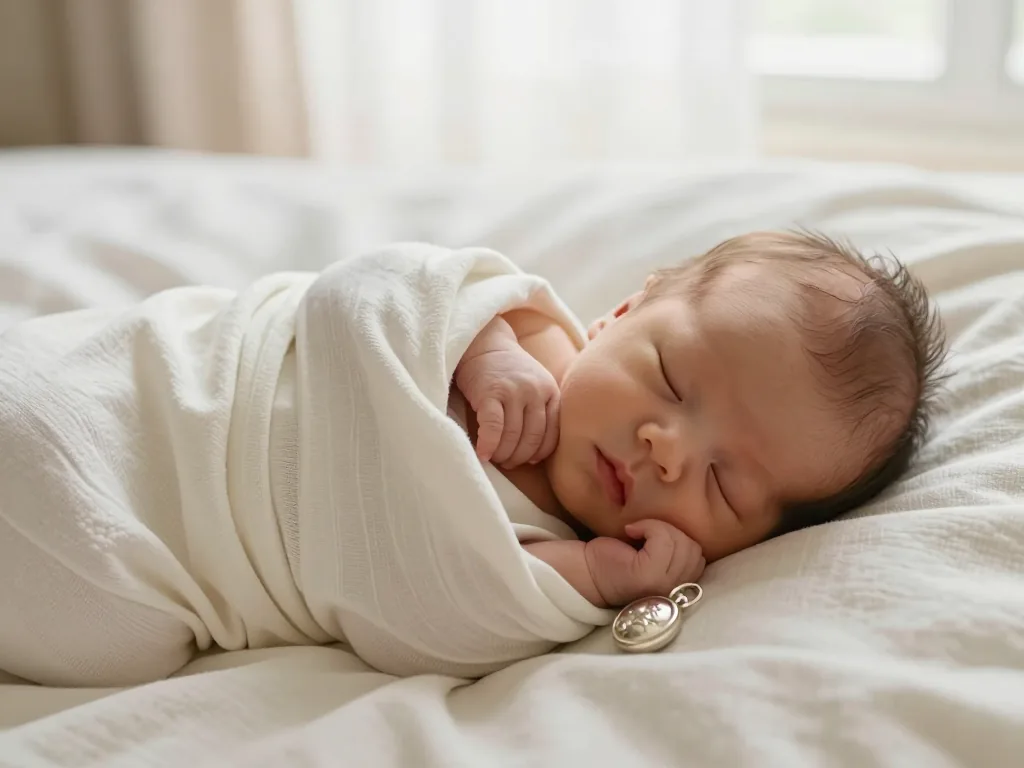
The first fourteen days after birth are a fleeting, almost magical time for newborn photography. Babies are naturally sleepier then, spending most of their hours in deep, restful slumber. That “sleepy window” is the key to those iconic, serene images of a peacefully posed newborn. A sleeping baby is a relaxed one, and a relaxed baby can be gently arranged into safe, beautiful positions without fuss. Their startle reflex hasn’t fully developed, so they stay undisturbed by soft sounds or the subtle adjustments a perfect shot demands. After two weeks, though, everything shifts. Infants grow more alert, startle at sudden movements, and track light and sound with their eyes. Quiet wakefulness increases dramatically, turning a tranquil session into a battle of soothing and swaddling—with far fewer chances for those classic, deeply peaceful poses.
Physical Flexibility and Safety
Sleep isn’t the only factor. In these early days, a newborn’s body is uniquely suited for photography. Fresh from the womb, babies keep a flexed, curled posture, limbs drawn inward as they were in the amniotic sac. That natural flexibility allows for the beloved “tucked” poses—the froggy, the chin-on-hands, the gentle side-lying curl. Lingering maternal hormones keep joints and muscles loose and pliable, permitting safe, comfortable positioning that mirrors their in-utero state. But it doesn’t last. As days pass, muscles tighten and natural flexion straightens. By week three, limbs extend with purpose, and neck and back strength grow. Forcing an older newborn into those deep-flexed positions becomes difficult, uncomfortable, and potentially unsafe. A professional photographer won’t force anything, so they adapt—moving from intricate poses to simpler, supported setups like side-lying or wrapped shots. Those can still be lovely, but they lack the sculptural signature of a true early session. Scheduling within the first fortnight isn’t just about aesthetics; it’s about working with the baby’s developmental stage to ensure a safe, calm, and productive experience for everyone.
The Ideal Scheduling Window
Days 5 to 10 as the Sweet Spot
Ask any professional newborn photographer, and they’ll say the same: the magic window lands between day 5 and day 10 after birth. This isn’t random—it’s biology. By day 5, the initial swelling has mostly subsided, and jaundice, which peaks around day 3 to 4, often starts to fade. Your baby is no longer the puffy, exhausted newborn of the first 48 hours, but they haven’t hit the more alert, wakeful phase yet either. They’re still deeply sleepy, which is perfect for those curled-up, froggy poses and seamless composite shots. Their joints remain loose, their skin still peels in that adorable, papery way, and they’re far more tolerant of being gently posed for long stretches without fussing. Photographers know this is when they can capture those classic, dreamy, womb-like images with the least resistance.
The Outer Limit of 14 Days
If you’re at day 12 or 13, don’t panic—day 14 is still workable. Sessions in this later range are absolutely possible, but adjust your expectations. The deep-sleep, swaddle-and-basket poses get trickier because your baby is waking more often, stretching out, and reacting to light and sound. Instead of perfectly still, sculptural shots, you’ll likely get more images of your baby with eyes open, looking around, or hands uncurled and alert. That’s not a bad thing—many parents adore these interactive portraits. But be ready for a longer session. The photographer will need extra time for feeding, burping, rocking, and resettling. What takes two hours at day 7 could stretch to three or four at day 13. The final gallery will still be beautiful, but it’ll feel different: less about the ethereal, sleeping newborn, more about the bright-eyed, brand-new person you’re just getting to know. Past day 14? Still worth asking—some photographers specialize in “awake” newborn sessions—but the classic, deeply posed aesthetic may no longer be an option.
Booking Before Birth
When to Reserve Your Photographer
Secure your newborn photographer during the second or third trimester—not after the baby arrives. This isn’t just about artistry; it’s practical calendar management. Most reputable photographers limit themselves to one or two sessions weekly, ensuring each family gets dedicated time. Since due dates are estimates, not appointments, they hold a provisional spot for you around that date, no specific day required. That removes the pressure of predicting the unpredictable. Booking early also means you choose a photographer whose style, portfolio, and personality truly resonate—rather than settling for whoever’s free at the last minute. Many offer a complimentary prenatal consultation, where you can discuss posing preferences, safety protocols, and the props or palettes you envision. This isn’t over-caution; it’s about making sure that when your baby arrives, your only focus is your new family member. Expect to pay between €150 and €450 per session, depending on experience, location, and whether digital files and prints are included.
What Happens After Birth
After delivery, the process runs smoothly. You’ll contact your photographer within 24 to 48 hours to confirm the exact session date. That timing matters: newborn photography thrives in the first 5 to 14 days, when babies are sleepiest and most pliable for posing. Photographers build a buffer into their schedules around your due date, ready for an early or late arrival. Baby comes a week early? Your slot shifts forward. A week late? They adjust to fit you in shortly after you leave the hospital. This flexibility is built into their workflow, not an afterthought—you won’t lose your place or scramble for coverage. The buffer guarantees your session lands within that golden window of newborn sleepiness, no matter your baby’s entrance timing. All you do is send that first text or email; the photographer confirms the time and offers guidance on feeding and swaddling before the session.
Choosing the Best Time of Day
Mid-Morning to Early Afternoon
The most dependable window for a newborn session falls between 9:30 a.m. and 2:00 p.m. During these hours, babies hit their deepest sleep cycle—the perfect moment for a photographer to gently position them into those cozy, womb-like poses without waking them. Natural light is also at its peak in the late morning, streaming through north- or east-facing windows with a soft, diffused glow that flatters delicate skin and makes harsh flash unnecessary. This timeframe often coincides with a baby’s calmest alert period, too: that quiet stretch between feedings when they’re content yet not overwhelmed. Booking during this sweet spot lowers the odds of a fussy session and leaves ample room for feeds, diaper changes, and cuddles—no need to rush against an evening meltdown.
Flexibility Over Perfection
However carefully you plan, your newborn’s internal clock calls the shots. Treat your scheduled time as a flexible anchor, not a fixed deadline. A seasoned photographer will often ask you to feed your baby just before leaving home, or suggest arriving a bit early so nursing can happen in a calm, familiar setting before the camera appears. Many pros also recommend starting right after a full feeding—not a quick snack—so the baby is milk-drunk, deeply satisfied, and in that drowsy, relaxed state that makes posing a breeze. If your little one cluster-feeds in the morning or sleeps late, don’t force the original start time. Instead, let the photographer read your baby’s cues for ten or fifteen minutes and adapt. A session that begins an hour late with a settled, happy baby will outshine one that starts on time with a restless, hungry infant. Trust the process: the aim isn’t to meet a clock but to capture your baby at their most serene, which means yielding to their rhythm, not the reverse. Professional newborn sessions typically range from €150 to €400 per session, depending on the photographer’s experience, studio setup, and whether you choose a home visit.
Session Length and What to Expect
The most important thing to understand when booking a newborn session is that the calendar block isn’t shutter time. Sessions run 2 to 3 hours, yet the actual shooting—those moments the camera clicks—often takes far less. That’s intentional. The rest goes to the essential, unglamorous work behind those dreamy, curled-up portraits: feeding, burping, diaper changes, and the delicate art of easing a newborn into a deep, milk-drunk sleep.
Think of it as a rhythm, not a marathon. Your baby sets the pace, and a professional photographer builds everything around that. You won’t be rushed or left wondering about the delay. Instead, expect gentle cycles: a feed, a burp, a snuggle, a few minutes of posing, then a pause. This ebb and flow is normal—and necessary. Newborn sleep cycles are short, and comfort comes first. If your baby is wriggly, gassy, or simply awake and curious, the photographer waits for that deep-sleep window to reopen. That’s not wasted time; it’s the foundation of safe, posed images where the baby looks peaceful and swaddled.
Breaks aren’t an afterthought—they’re the core structure. Expect frequent pauses to keep the baby warm, comfortable, and secure. The photographer might stop mid-pose to adjust a blanket, reposition a tiny hand, or let the baby stretch. A skilled professional guides you through this with calm reassurance, so the clock never feels like a threat. They’ll explain what’s happening, why, and what comes next. Your job? Relax, feed on demand, trust the process. Those 2 to 3 hours are a gift—ample room for all the care your baby needs, with no sacrifice of quality for speed. In the end, you’ll leave with a full gallery, and the session will feel less like a photoshoot and more like a slow, deliberate morning of quiet connection.
Handling Early Arrivals and Health Issues
Babies rarely check the calendar. Sometimes your little one arrives early—or with more complications than expected. If your newborn came prematurely or faces health challenges like jaundice, feeding difficulties, or respiratory issues, the last thing you need is pressure around a photo session. The good news? Professional newborn photographers get this. Most build flexibility into their booking systems specifically for these situations.
Rescheduling With Grace
Communicate early—that’s the single most important step. The moment your baby’s arrival date or health status shifts, reach out. Many experienced photographers hold open slots each week, often called “buffer spots,” reserved for families needing to move sessions due to early arrivals, NICU stays, or unexpected medical appointments. Routine changes might trigger a rescheduling fee, but for medical reasons, most photographers waive it entirely. Don’t wait until the day before or the day of. A brief email or text with your due date, actual birth date, and a simple health update usually moves your booking to a later week—often penalty-free. Unsure about the policy? Ask upfront when you book, before issues arise, so you know exactly where you stand.
Adjusting Expectations
A preemie, significant jaundice, or reflux means your session will likely differ from a textbook newborn shoot. That’s not failure; it’s smart, safe practice. A photographer prioritizing your baby’s wellbeing shortens the session, limits poses, and skips setups requiring prolonged positioning or heavy wrapping. For a preemie—especially one needing monitoring or with fragile skin—you might manage only a handful of simple, supported poses, often on a soft surface with gentle hands-on posing rather than elaborate props. Jaundice can yellow skin tones in photos; your photographer may adjust white balance or suggest waiting a few days until bilirubin levels drop. Reflux calls for more frequent breaks, upright holds, and a slower pace to keep your baby comfortable. Be open to a simpler gallery: a few beautiful, honest portraits of tiny fingers, soft features, and a peaceful face will outweigh a dozen forced poses. The goal is documenting this fleeting time without ever compromising safety for aesthetics.
Cost and Package Considerations
Basic to Premium Pricing
Newborn sessions are an investment, and costs vary as widely as artistic styles. Understanding pricing tiers before booking helps you choose a package that fits both vision and budget. A basic package—covering the session fee plus a handful of professionally edited digital images—typically runs $150 to $500, making it an ideal entry point for parents who want beautiful portraits without the full production. On the premium end, expect $500 to over $1,000. Those higher-tier packages deliver the complete experience: multiple outfit changes, access to a studio wardrobe of wraps and props, the full gallery of high-resolution files, and fine-art prints or albums. The price gap reflects not just image count but also the time, retouching, and physical products behind each shot.
What’s Included in the Price
A quoted price is only as good as the fine print, so ask precisely what your fee covers before signing. The base cost should always include the photographer’s time for the session—which can stretch two to three hours—plus creative direction and post-processing. Edited image counts, however, vary dramatically: some sessions yield ten images, others the entire digital gallery. Clarify whether parent or sibling mini-sets are included, as these often become the most treasured shots. Many photographers bundle them; others charge $50 to $150 extra per person. Also confirm print rights and whether a print release is provided, since that determines where you can order enlargements. Finally, ask if the session fee is separate from the product fee—some business models charge a sitting fee and then sell images à la carte, which can quickly escalate costs. An itemized breakdown upfront ensures no surprises when preserving these fleeting first weeks.
Preparing for the Session
Once your session date is locked in—ideally within the first five to fourteen days after birth—the real work begins. A smooth newborn photo session isn’t about luck; it’s about preparation. The hour before your photographer arrives can mean the difference between a serene, sleepy baby and a fussy, alert one.
Feeding and Soothing Strategies
Timing your baby’s feed is your most powerful tool. Plan a full feeding right before the photographer walks through the door, but don’t let the baby fall asleep mid-bottle. Keep them gently awake and burped during that final feed so they drift into a deep, milk-drunk sleep once placed on the posing beanbag. Keep a bottle of expressed milk or nursing supplies within arm’s reach at all times—newborns often need a top-up between poses, especially if they wake suddenly or become unsettled by repositioning. A warm, fully fed baby is a deeply sleeping baby, so crank the thermostat to around 24–26°C (75–79°F) in the shooting room. The heat mimics the cozy, enclosed environment of the womb and encourages those adorable curled-up poses. If your baby is particularly sensitive, try white noise from a phone app or a gentle shushing sound to mask ambient household noise.
What to Have Ready
Preparation extends well beyond feeding. Before the photographer arrives, lay out everything you might need on a nearby table: two or three soft swaddles (muslin and stretchy knit both work well), a pacifier (even if your baby doesn’t usually take one, it can be a lifesaver for soothing between setups), and any props you want to use—a knitted basket, a delicate headband, a family heirloom blanket. The goal is to avoid mid-session rummaging through drawers, which breaks the calm rhythm and wakes the baby. Dim the lights to a low, warm glow; bright overhead lighting is a surefire way to keep a newborn alert and cranky. Instead, rely on the photographer’s portable lighting or natural window light filtered through sheer curtains. Finally, have a spare nappy and a soft cloth ready for inevitable accidents, and keep a water bottle for yourself nearby—sessions can run long, and your calm energy transfers directly to your baby. With these small, thoughtful preparations in place, your photographer can focus on capturing those fleeting, perfect first days.
When the Window Has Passed
Missed the first two weeks? Maybe recovery was rough, the baby was in the NICU, or life just became a blur. Take a breath. You haven’t lost your chance. Many professional newborn photographers happily accept babies up to three or even four weeks old. The session will simply look different—and that’s entirely okay.
Options for Babies Over 3 Weeks
At three weeks, your baby is more alert, stronger, and less likely to curl into those tight, womb-like poses that define classic newborn photography. A skilled photographer adapts, favoring supported poses, swaddled setups, and gentle angles that keep your little one comfortable and safe. Those deeply sleepy, curled-up shots? You won’t get them. That’s fine, because you’ll get something equally precious: wide-eyed wonder, fleeting smiles, and a startling amount of personality. These sessions often yield images with more direct eye contact and genuine expression, capturing a baby just beginning to notice the world. The key is honest communication with your photographer beforehand. They can set realistic expectations and plan a session that plays to your baby’s current abilities rather than fighting against them.
Alternative Session Types
For babies past the three-week mark, consider pivoting to a lifestyle session in your own home. Unlike posed studio work, this documents your real life: feeding on the couch, cradling baby by the window, older siblings leaning in for a kiss. These images prioritize natural interactions and candid family moments over perfectly arranged poses, making them ideal for an alert baby who wants to be part of the action. Another excellent option is a “baby’s first month” mini-session—typically shorter and more relaxed, focusing on close-up details like tiny fingers, wispy hair, and that brand-new scent of baby powder and warm laundry. Both approaches work beautifully for older newborns because they embrace wakefulness instead of fighting it. You’ll walk away with a heartfelt gallery that feels true to this exact moment, even if it doesn’t look like the classic sleeping-baby portfolio. In fact, many parents find these images even more meaningful years later—they capture a baby who was already looking back at them.
The sweet spot for newborn photography is undeniably those first two weeks after birth, when babies are sleepiest and most curlable. But a later session isn’t a lost cause. If you can, aim to book between days 5 and 14, and reach out to your photographer before your due date to hold a flexible slot. Should life—or labor—get in the way, don’t stress. A slightly older newborn still photographs beautifully, just with a different, more alert charm. Your next step is simple: contact a photographer you love today, ask about their availability around your due date, and rest easy knowing perfect pictures are still within reach. The best time is now, not perfect timing.