The Real Timeline: How Long a Newborn Photo Session Actually Takes
On this page
You’ve seen the dreamy images—a sleeping baby curled in a basket, tiny fingers wrapped around a parent’s thumb—but behind those perfect frames lies a process far slower and more deliberate than the final photo suggests. A newborn session blends artistry with patience, and knowing the time commitment helps parents prepare both mentally and practically. This guide breaks down the full timeline, from booking to the final shot, so you know exactly what to expect and how to make the most of it. By the end, you’ll understand not just how long the whole ordeal takes, but why every extra minute counts.
The Booking Window and Why Timing Matters
Scheduling Within the First Two Weeks
Newborn sessions are typically booked for when the baby is between 5 and 14 days old. Why this window? Because during these first two weeks, babies are sleepiest, most curled up, and most adaptable to gentle posing. They still remember the snug, womb-like environment and will happily tuck into a fetal position, letting the photographer capture those dreamy, curled-up images parents cherish. After this period, babies become more alert and less flexible—which can extend the session or limit certain poses. A three-week-old is a different subject entirely: more wakeful, more sensitive to touch, and far less likely to tolerate being moved or swaddled repeatedly. That doesn’t mean you can’t have beautiful photos of an older newborn, but it does mean the session may take longer, require more feeding and soothing breaks, and rule out some classic wrapped or froggy poses. In short, the 5-to-14-day window is the sweet spot for efficiency and artistry alike.
How to Reserve Your Spot Before Birth
Most professional photographers recommend booking during pregnancy, often in the second or third trimester. Due dates are unpredictable, so photographers hold a tentative slot around your due date and adjust once the baby arrives. This advance planning ensures you secure a session time rather than scrambling after birth. When you book prenatally, you’re not locking in an exact day—you’re reserving a place in the photographer’s calendar, typically a two-week window centered on your due date. Once your baby is born, you simply send a quick message, and the photographer shifts your session to a specific morning within that window, usually within the first 10 days. This system works because it gives the photographer time to prepare props, backdrops, and their own schedule—and it gives you peace of mind knowing your slot is secure. Without this pre-booking, you risk finding that every reputable newborn photographer in your area is fully booked by the time your baby arrives—a stressful and disappointing outcome. A simple phone call or email during your second trimester can save you weeks of worry later.
The Total Session Duration: What the Clock Really Shows
The 2 to 4 Hour Reality
A typical newborn session runs 2 to 4 hours, start to finish. That means from the moment the photographer walks through your door to the moment they pack up that last lens, expect a solid block of time. This isn’t continuous shooting, and it’s certainly not a sprint. The clock keeps ticking while the photographer waits, soothes, and adapts to your baby’s rhythm. Feeding, burping, diaper changes, and plenty of calming breaks all fall within that window. Many parents underestimate this, picturing a quick hour of posing. But newborns run on their own schedule. Rush the process, and the baby will sense the tension, get fussy, and you’ll walk away with fewer usable images and a more stressful experience. Clear your calendar for the entire block. No lunch plans, no virtual meetings, no quick errands in the middle. The session ends when the baby decides, not when the clock does.
Why the Actual Shooting Time Is Shorter
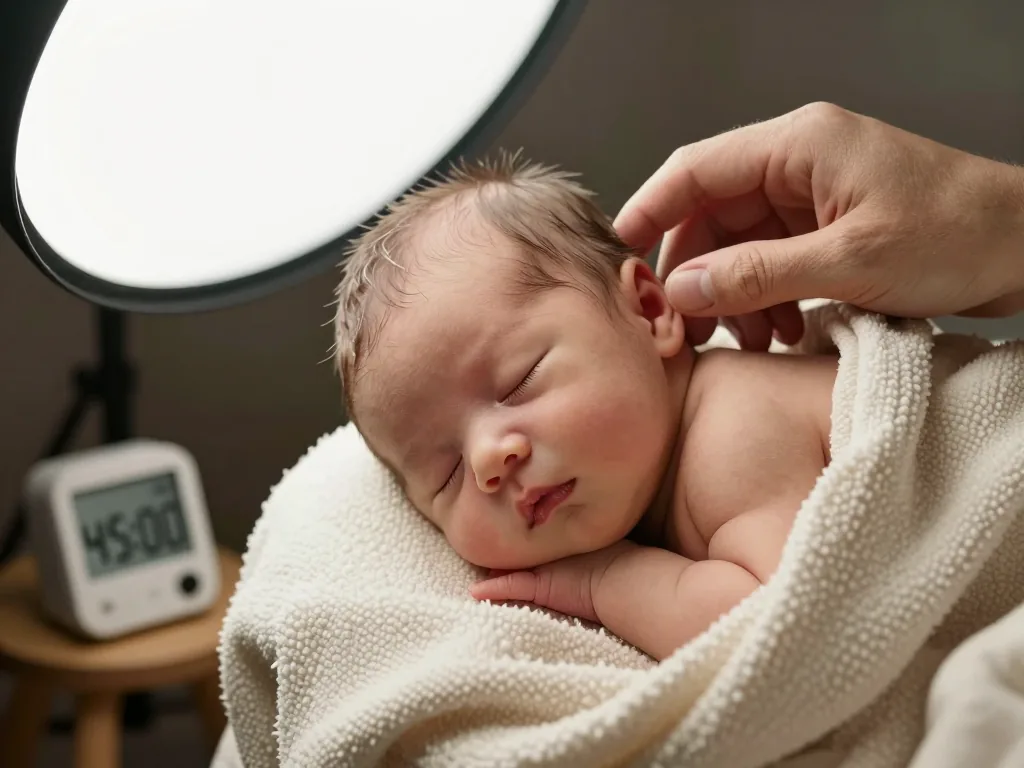
Here’s the surprise: active photography usually takes just 1 to 2 hours of that total time. The rest goes entirely to the baby’s needs. Photographers don’t simply scoop up a newborn, drop them in a prop, and start clicking. Instead, they work around sleep and feeding cycles with deliberate patience. The session often begins with a feeding until the baby is milk-drunk and deeply content. Then comes the wait for that deep, limp sleep—limbs floppy, facial muscles completely relaxed. Only then does the posing begin. They might capture five or ten minutes of perfect positioning before the baby stirs, needs a pacifier, or wakes for another feed. Everything pauses. The photographer steps back, the parent steps in, and the cycle starts over. This rhythm—pose, soothe, feed, settle, pose again—repeats throughout. That’s why a session feeling like an afternoon of cuddles produces a gallery of serene, dreamy images. The shooting time is brief because the preparation is long, and that preparation is what makes the final photographs look so effortless.
The Step-by-Step Flow Inside a Session
Arrival, Settling, and Warm-Up
The clock starts ticking the moment you walk through the door, but the first fifteen to twenty minutes are deliberately slow. You’ll begin with a meet-and-greet: a quick chat about any specific shots you have in mind, a review of the props and wraps laid out for your little one, and a chance to ask last-minute questions. The photographer will check the room temperature—typically kept warm, sometimes to a toasty 24–26°C (75–80°F)—to ensure your baby stays cozy when undressed. Then comes the practical part: helping you peel off layers, change a diaper if needed, and settle your newborn into a feeding or soothing routine. This warm-up phase is not wasted time; it’s the foundation for everything that follows. A calm, fed, and comfortable baby is far more receptive to posing.
The Posing, Feeding, and Soothing Cycle
Once your baby is drowsy and content, the photographer begins the core work: a sequence of poses, often starting with the simplest, most natural positions—usually on their back or side, swaddled gently. From there, they may progress to more intricate setups, like the classic froggy pose or chin-on-hands, but only if the baby remains relaxed. Here’s the reality you need to prepare for: the session is not a straight line. It’s a cycle—pose, shoot, soothe, feed, burp, and repeat. After each pose or set of shots, your newborn may stir, need a pacifier, require a diaper change, or demand a feeding break. This is entirely normal and essential. A newborn’s sleep cycles are short, and their need for comfort is constant. The photographer will read the cues, pause mid-set, and patiently wait for the baby to settle again. This is why the session feels unhurried—and why it should be. Rushing a newborn is counterproductive; a forced pose can lead to fussiness and tears, which only extends the timeline. Expect each pose to take anywhere from five to fifteen minutes, with breaks in between that can stretch even longer. By the end, you’ll have witnessed dozens of micro-cycles, each one a small victory of patience and timing. The result is a gallery of images that look effortless, but the process behind them is a gentle, rhythmic dance between photographer, parent, and baby.
Factors That Change the Session Length
No two newborn sessions are identical, and the baby themselves is the biggest variable. Some infants arrive in a deep, milk-drunk sleep, limbs loose and pliable, making them a dream to swaddle and pose—these babies can wrap up in around two hours. Others are more sensitive to being undressed, dislike new fabric, or hit a fussy window midway through. When a baby needs extra soothing—rocking, shushing, or a feeding break—the clock keeps ticking. A colicky or light-sleeping newborn can easily extend the session to three and a half or even four hours. The photographer never forces a pose or holds a baby in a resisting position; the baby’s cues set the tempo, and patience is non-negotiable.
The Scope of Your Session: Setups, Outfits, and Family
Your booking-stage requests directly shape the timeline. A minimalist session with a single wrap, neutral backdrop, and just the baby moves quickly. But add variety, and the minutes pile up. Every outfit change means carefully undressing a sleeping infant, re-swaddling, and repositioning without waking them—a delicate process that can take ten to fifteen minutes alone. Each prop setup requires adjusting the posing beanbag, draping fabric just so, and fine-tuning the lighting. Want sibling shots? The photographer must also navigate a toddler’s attention span, which can introduce unpredictable pauses. Parent shots require you to step in, get comfortable, and hold a specific posture for several minutes. A full gallery with three or four distinct setups, multiple outfits, and family combinations realistically runs closer to four hours. A simpler, focused session with one or two setups lands near the two-hour end. The best approach? Discuss your wish list with your photographer beforehand—they can give you a realistic estimate based on their workflow and your baby’s expected age at the shoot.
How to Prepare and What to Expect as a Parent
Practical Preparation for a Smoother Session
What you do before you arrive can make or break the experience. In the hours leading up to your slot, keep your baby fed and sleepy—a full tummy and a deep nap are your best allies. Bring extra milk (breast milk or formula, whichever you use) and at least two pacifiers. A baby who wakes mid-pose will often settle again quickly with a warm bottle and a familiar dummy. Dress your little one in loose, zippered clothing rather than anything that pulls over the head or leaves elastic marks on the skin; those creases can show up in close-up shots and take time to fade. For yourself, pack a change of clothes, extra nappies, and a stack of wipes. The studio is usually kept warm for the baby’s comfort, so you may find yourself perspiring—and you’ll likely be in some parent shots where a fresh top makes a world of difference.
What the Photographer Will Guide You Through
You don’t need to know a single posing technique. The photographer will walk you through everything: how to cradle the baby’s head, where to place your hands, how to angle your face so the light flatters you. During breaks, they’ll tell you exactly what to do—step out for a coffee, sit quietly in the corner, or simply breathe while they resettle the baby. Your only job is to trust the process and follow their lead.
- Expect the session to run longer than scheduled; photographers often build in extra buffer time.
- The baby’s needs always come first, so feeding and soothing breaks are non-negotiable.
- If the session runs over, it’s not a failure—it’s a sign the photographer is prioritizing your baby’s comfort.
- Bring snacks and water for yourself, as you may be sitting for long stretches.
- Ask your photographer ahead of time about their policy on overtime or additional fees for extended sessions.
A relaxed, unhurried session is the single best predictor of beautiful, natural newborn photos. The more you let go of the clock, the more the baby will settle, and the better the final images will be.
The Real Takeaway
A newborn photo session isn’t a quick snapshot—it’s a flexible, baby-led experience. Typically, it spans 2 to 4 hours, though actual shooting time is just a fraction of that. The rest goes to feeding, soothing, and settling your little one, which is exactly why the session feels slow and unhurried. Your next step is simple: block out a peaceful morning or afternoon, pack extra patience and snacks, and trust your photographer’s process. When you let go of the clock, you’ll walk away with timeless images—and a calmer baby—than you ever expected.