The Ultimate Newborn Photo Prep Guide for Perfectly Peaceful Sessions
On this page
Capturing those first fleeting days of your newborn’s life is a beautiful milestone, yet the mere thought of a photo session can overwhelm new parents. This guide walks you through every step—from scheduling and timing to feeding, clothing, and in-studio comfort—so you can prepare your baby for a professional shoot. You’ll discover how to keep your little one calm, sleepy, and cooperative, turning what could feel stressful into a peaceful experience. Practical checklists and expert tips highlight both the essentials and the finer details that truly matter, helping you arrive with confidence and leave with timeless images. By the end, you’ll have a clear, actionable plan for a perfectly serene session with your newborn.
Timing Your Session for Maximum Sleepiness
Booking Within the Ideal Age Window
Schedule your newborn session between day five and day fourteen after birth—this is the golden window. In those first two weeks, your baby remains deeply sleepy and curled up, still reminiscent of the womb. That natural drowsiness makes them far more receptive to gentle posing, less startled by sounds and sensations, and much more likely to sleep through the entire shoot. Booking before day five carries risk: your baby is still adjusting to life outside, and you’re likely exhausted from early feeding and recovery. Wait past day fourteen, though, and you may face a more alert, active baby who’s starting to stretch out and resist those snug, womb-like positions behind the iconic dreamy images. For perfectly peaceful, swaddled shots, this two-week window is your sweet spot. Your photographer should offer a flexible booking—a tentative slot reserved around your due date, with firm confirmation once your baby arrives.
Choosing the Best Time of Day
Age matters, but so does the hour. Most newborns hit a natural period of deep calm, often mid-morning or early afternoon—ideal for your session. Steer clear of evenings whenever possible; many babies experience a predictable “witching hour” of fussiness and cluster feeding late in the day. To find your baby’s calmest window, observe their daily rhythm for a few days beforehand. Do they settle into a deep sleep after a particular feed? Are they most content right after a warm bath? Once you spot that consistent, peaceful period, tell your photographer. A skilled professional will gladly adjust their schedule to match your baby’s cues. The goal is to work with their biology, not against it. A session timed to innate sleepiness means fewer soothing breaks—and a smoother, more relaxed experience for everyone.
Pre-Session Wake and Feed Strategy
The hour or two before your newborn photographer arrives can make or break the entire shoot. Handle this window well, and you’ll have a serene, curled-up baby. Handle it poorly, and you might face a wide-eyed, restless little one who won’t settle. Your goal is straightforward: build enough sleep pressure so your baby is biologically primed for a long, deep slumber the moment they hit the posing beanbag. This isn’t about exhausting them—it’s about gently guiding their natural rhythms toward profound drowsiness.
The Wake-and-Feed Window
Keep your baby awake and gently stimulated for one to two hours before the session starts. Skip the frantic play and loud noise; overstimulation backfires, leaving your baby overtired and fussy. Instead, try soft, rhythmic talking, a slow massage with warmed lotion, or a few minutes of supervised tummy time on your chest. These low-key activities build wakefulness gradually while keeping their nervous system calm. As the start time nears, watch for the cues: slower blinking, less limb movement, and a general softening of their body. That’s your sweet spot. Once placed in the photographer’s hands, that accumulated sleep pressure helps them surrender into a deep, immobile sleep—perfect for safe, flexible posing.
The Final Feed Before the Camera
Timing the last full feed is a delicate balance. You want your baby completely satisfied, but not so recently fed that they spit up during movement. Aim to finish a full, unhurried feed and a thorough burp just as the photographer begins setting up. A truly full tummy is the most reliable way to encourage deep sleep and ward off hunger-driven fussiness mid-shoot. Keep extra formula or expressed breast milk prepared and within easy reach. Newborns often surprise parents by eating more than usual in unfamiliar settings—new smells, sounds, and gentle handling can spike their appetite. A backup bottle lets you top them up in minutes without breaking the session’s calm. Remember: a baby who is warm, full, and gently tired will sleep peacefully through nearly any pose.
Dressing and Comfort Essentials
Easy-On, Easy-Off Clothing
The best way to keep your newborn calm during a photo session is to make undressing effortless. On shoot day, dress your baby in loose, zip-up or snap-front clothing that never goes over the head. Over-the-head onesies and tight bodysuits demand lifting, twisting, and pulling—motions that can startle a sleeping baby and ruin the drowsy state we want for portraits. Choose a soft, stretchy footed sleeper with a full front zipper or snaps instead. The photographer can then gently open it and slide it off without disturbing your baby’s posture or slumber. Skip tight socks, mittens, or hats that need fiddly adjustments; their snug elastic can mark delicate skin and waste time. Worried about warmth? Bring a loose, open-front cardigan or a soft kimono-style wrap that lifts off with minimal handling. Your baby will be undressed for much of the session, so simpler clothing means smoother transitions into wraps, poses, and peaceful naps.
Familiar Comfort Items to Bring
A newborn’s sense of smell and touch anchor them to safety. Pack a soft blanket or swaddle used at home for a few days—one carrying the familiar scent of your home, your detergent, and you. When your baby lies on it or is wrapped in it between poses, they’ll instinctively relax, breathing in comfort no studio prop can match. If your baby uses a pacifier, bring it, even if you don’t plan to use it in photos. A quick pacifier pause can soothe a fussy baby in seconds, letting the photographer reposition or calm them. Also pack extra diapers, wipes, and a backup outfit for accidents. Newborn sessions get messy, and having these essentials within reach means no time lost digging through a diaper bag. A spare muslin cloth for spit-up and a small bottle of ready-to-feed formula (if you bottle-feed) can also save the day. These familiar items aren’t just practical—they transform a stranger’s studio into a safe space where your baby can drift into the deep, peaceful sleep that yields the most beautiful portraits.
Managing the In-Session Environment
Warmth and Temperature Control
Newborns can’t yet regulate their own body temperature. Even a slightly cool room can disrupt their sleep and trigger the startle reflex. So keep the space between 75–80°F (24–27°C) for a truly peaceful session. That warmth mimics the snug, constant climate of the womb, encouraging deep, uninterrupted sleep. Before you arrive, ask your photographer to pre-warm the room—ideally for at least thirty minutes—so it’s already toasty when you walk in. A cold start makes settling your baby much harder later.
You, though, should dress in light, breathable layers. While your baby is posed in nothing but a wrap or diaper, you’ll likely feel quite warm. A simple cotton top or short-sleeved layer keeps you comfortable as you sit close, feed, or soothe your little one. Resist bundling up; if you’re sweating, the room is probably right for your baby. A space heater placed safely away from the posing area can also help maintain consistent warmth—many photographers use a small, quiet one to keep the air gentle and still. Watch for signs of comfort: rosy cheeks, relaxed hands, and a soft, floppy body all mean your baby is perfectly warm and settled.
Feeding, Pausing, and Soothing Breaks
Expect the session to last two to four hours. That’s not inefficiency—it’s a realistic, necessary timeframe for a newborn. Feed on demand, without watching the clock. A full tummy is the single most effective tool for a calm session, so offer the breast or bottle whenever your baby stirs, even if they just ate twenty minutes ago. Pause frequently for diaper changes, burping, and gentle soothing. Each interruption is a chance to reset and comfort, not a setback.
The key is an unhurried pace. Rushing only translates to your baby through your body language and the photographer’s movements. Trust the photographer’s cues for when to pause and resume; they’re experienced in reading a newborn’s subtle signals. If your baby gets fussy, step away from the posing area, dim the lights, and hold them skin-to-skin until they’re completely relaxed again. A calm, patient rhythm—where feeding, sleeping, and cuddling weave into the flow—produces far more beautiful and authentic images than any forced schedule.
Advanced Tips for a Smooth Session
Handling a Fussy or Overstimulated Baby
Even the calmest newborns have their moments. If your baby becomes fussy mid-session, stop and focus entirely on calming them—not on the clock or the camera. Skin-to-skin contact works instantly: place your baby against your bare chest under a soft blanket, and let your heartbeat and warmth do the soothing. Gentle rocking, swaying, or a quiet walk around the room can also reset their nervous system. Many photographers suggest a dark, quiet corner away from the lights and equipment, where you can sit in a glider or on a cushion and let your baby drift off in your arms. A change of position—from cradle hold to shoulder hold, or a gentle bounce on a yoga ball—often works wonders. Above all, never force a pose. If your baby is arching their back, crying, or flailing, they are telling you they need a break. Your baby’s comfort always comes first, and a peaceful baby is a cooperative baby.
What to Expect From the Photographer’s Process
Understanding the flow of a professional session helps you relax and trust the process. Here’s what typically happens:
- The photographer will likely use a posing beanbag or soft, padded props, all pre-warmed and sanitized before your arrival. This keeps your baby warm and safe while allowing for those curled, sleepy poses.
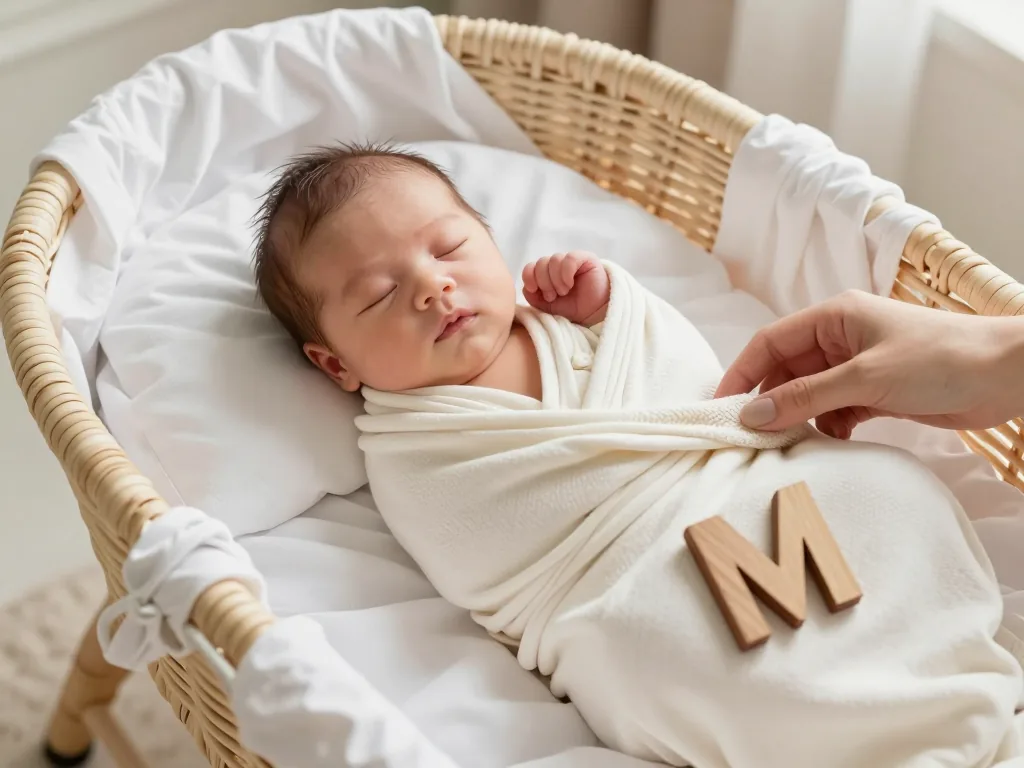
- They may use gentle wrapping techniques—swaddling your baby in stretchy fabric or muslin—to keep them snug and secure, which mimics the womb and promotes deep sleep.
- Expect frequent pauses for feeding, burping, and soothing. This is completely normal and built into the session timeline, so don’t feel rushed.
- The photographer will guide you on when to step in and when to step back. Sometimes they’ll ask you to hold a hand or offer a pacifier; other times, they’ll want you out of view so your baby focuses on them.
- You’ll see a mix of posed shots, detail close-ups (tiny hands, feet, eyelashes, lips), and parent or sibling shots if you’ve requested them. The session is a rhythm, not a sprint.
Budgeting and Session Logistics
Before you book, understand the full financial picture. Professional newborn sessions typically range from $150 to $400 for the session fee alone, with print or digital packages adding another $100 to $500 depending on the photographer’s pricing structure. Always confirm what’s included—shooting time, number of edited images, and any travel fees—before booking. Some photographers charge extra for on-location sessions, while others include props and outfits in their base rate. Ask about gallery delivery timelines, printing rights, and whether you can purchase additional images later. A clear contract protects both you and the photographer, ensuring a smooth, stress-free experience from start to finish.
Prioritize the right timing, adopt a flexible feeding strategy, and lean into cozy comforts. Together, these turn a potentially stressful ordeal into something peaceful, even joyful. Let your baby’s cues be the true guide; when you release perfection and follow their lead, the camera catches authentic, tender moments. The next step is simple: prepare your space, pack your essentials, and trust that a relaxed parent holds the key to a serene session. With these foundations set, you’re ready to welcome a photographer into your home and preserve the fleeting softness of your newborn’s first days.