10 Tips for a Stress-Free In-Home Newborn Photography Session
On this page
The thought of a professional photo session in your own home, with a newborn who runs on their own schedule, can feel both magical and overwhelming. Yet the secret to a truly beautiful gallery isn’t perfection—it’s careful preparation and a relaxed mindset. This guide walks you through every step of planning a stress-free in-home newborn photography session, from the initial scheduling and room setup to the photographer’s arrival and the final selection of your images. You’ll find practical tips on timing, home prep, baby care, and how to work with your photographer so the whole experience feels calm, authentic, and entirely your own.
Understanding the Ideal Timing for Your Session
Why the First Two Weeks Matter Most
Timing is everything. Between five and fourteen days after birth, your baby is at their sleepiest and most flexible. They still hold the intrauterine posture from months in the womb, so a photographer can safely and gently pose them into those classic, peaceful positions without waking them. Their nervous system is also less developed, making them far less startled by movement or sound. This is why booking before the baby arrives is critical. Photographers often fill their calendars weeks or months ahead, and since they take only a few newborns per week for flexibility, early booking guarantees your spot. Miss this window? Don’t panic. Sessions at three, four, or five weeks can still work, but adjust your expectations. Your little one will be more alert and sensitive, less willing to be tucked into tight, sleepy poses. The photos will still be beautiful, but expect more wide-eyed, lifestyle-style images than classic posed ones.
Morning Sessions and Feeding Schedules
Nearly all professional newborn photographers start in-home sessions between 9 AM and 11 AM. This isn’t random—it matches a newborn’s natural sleep cycle. After nighttime cluster feeding, babies slip into a deep, restorative sleep in the late morning, exactly what your photographer needs. Plan your whole morning around the baby. The goal? A “milk-drunk” baby, completely content. Feed right before the photographer arrives, and don’t watch the clock—let them nurse or take the bottle as long as needed. Keep a warm bottle of expressed milk or formula ready, since the session demands energy. Expect two to four hours total. This isn’t rushed. Your photographer needs setup time, but more importantly, your baby needs unhurried breaks. Frequent stops for feeding, burping, and diaper changes are all part of it. A calm baby is a cooperative baby, so surrender to the flow and let the session move at your baby’s pace.
Preparing Your Home for the Photographer
Creating a Warm, Comfortable Space
A warm environment is the secret to a sleepy, content newborn. About an hour before the photographer arrives, pre-warm the room to a cozy 75–80°F (24–27°C). Babies thrive in warmth, much like the womb, and a toasty room keeps them calm and drowsy—boosting your chances of capturing those precious, curled-up poses. If there’s a large window, clear a generous area around it; natural light delivers soft, flattering images. Move any furniture blocking the light, then scan the background. Remove clutter, family photos, pet bowls, or anything visually distracting that might pull focus from your little one. Don’t worry about equipment, though. Your photographer brings everything: professional cameras, lenses, portable lighting, backdrops, props, and soft wraps. No need to buy or rent a thing—just provide the space and the baby.
What to Have Ready for the Baby
The right outfit can make or break a smooth session. Dress your baby in a loose, zip-up onesie before the photographer arrives. Skip overhead shirts or tight snaps—they’re fiddly and disruptive during changes. A simple zip-up allows quick, gentle transitions between setups, keeping your baby’s sleep undisturbed. Keep a well-stocked station within arm’s reach of the shooting area: a pacifier (even if you don’t normally use one, it’s a soothing lifesaver), extra diapers, a full pack of wipes, and a feeding spot with a bottle or comfortable nursing chair. Hungry babies get fussy, so feed on demand without leaving the room. Finally, have backup outfits ready for both your baby and yourself. Spit-up and diaper leaks are inevitable; a spare set of clothes means you won’t cut the shoot short or stress over a stain on your favorite shirt. A little preparation creates a calm, stress-free atmosphere where beautiful memories take shape.
What to Expect During the Session
The Photographer’s Posing Process
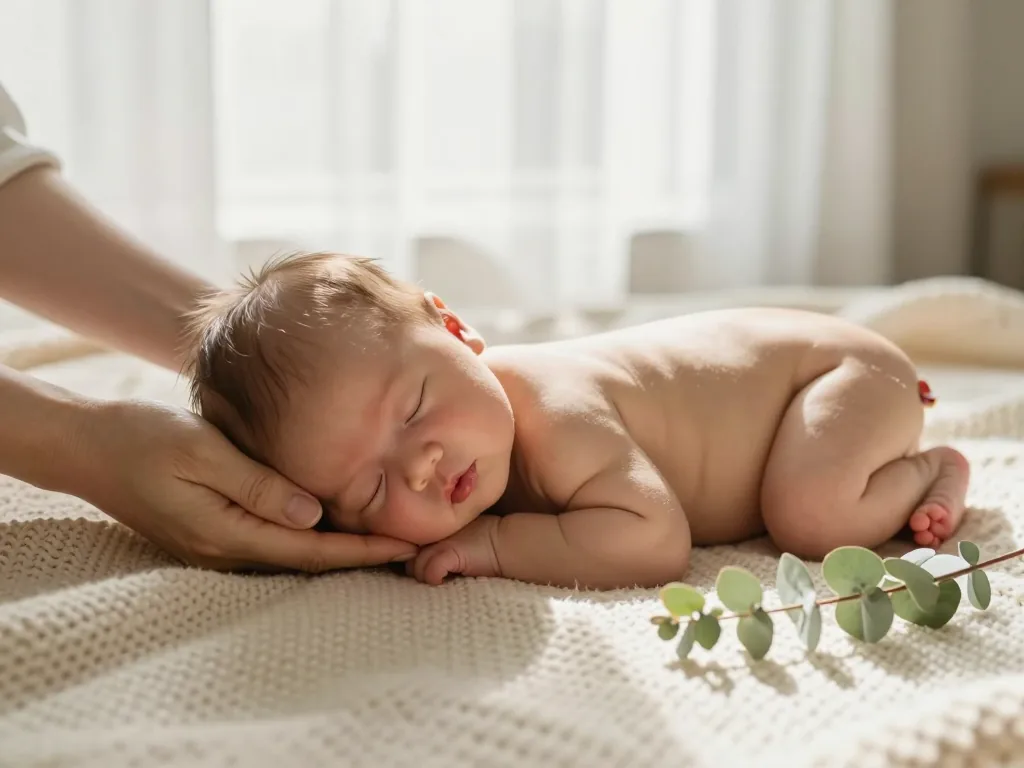
At the start, your photographer takes the lead in positioning your newborn—gently, unhurriedly. The baby rests on a soft, supportive surface: a padded beanbag, a plush mat, or a carefully lined basket or bowl. These props are chosen for comfort and safety, not just looks. The approach is entirely baby-led. No pose is ever forced. If your little one squirms, fusses, or stretches out a limb in protest, the photographer switches positions or pauses for a feeding or cuddle break.
Many of the most beautiful images come from poses where a parent’s hands support the baby, or the baby rests against a chest or in a caregiver’s arms. These holding shots are a staple of in-home sessions—they capture genuine connection and often yield the most emotionally resonant photos. Trust the photographer’s expertise. They know how to angle, support, and adjust to keep the baby safe while crafting images that look effortless and serene.
The Unhurried Pace and Your Role
Forget fast-paced, schedule-driven photography. An in-home newborn session moves at the baby’s rhythm, so expect long, quiet stretches of soothing, rocking, and waiting. This is normal, and it’s by design. You’ll be asked to step in from time to time—offer a finger for the baby to grip, adjust a swaddle, or join the frame for a holding pose. Your involvement is welcome, never burdensome.
The most important thing? Let go of perfection. The photographer handles all technical details: lighting, camera settings, composition, backdrop styling. Your primary job is to stay calm and relaxed. Babies are remarkably intuitive—they pick up on your heartbeat, your breathing, your tension. If you’re anxious, they’ll feel it. If you’re at ease, they’ll settle into that same peaceful energy.
Ask questions anytime, or mention specific shots you have in mind—tiny toes, a family portrait by the nursery window. A good photographer welcomes your input and weaves it into the flow. Remember, this isn’t a performance. It’s a quiet, collaborative morning or afternoon where the only schedule that matters is your baby’s.
Handling Feeding, Soothing, and Breaks
A newborn’s needs always trump your photography timeline. The best sessions bend around the baby’s rhythm instead of fighting it. Flexibility with feeding and soothing isn’t just helpful—it’s essential for capturing those serene, sleepy images you’re hoping for.
Feeding and Burping Strategies
Feed on demand, not on a schedule. A full, content baby drifts into that deep, peaceful sleep photographers love. Forcing a feeding to match a shot list only leads to a fussy, hungry infant and a stressful atmosphere. Watch for early hunger cues—rooting, hand-sucking, subtle stirring—and respond before the cries start. Keep a burp cloth within arm’s reach. Expect to pause after every feeding for burping. A baby who hasn’t been properly burped will squirm and wake, so take your time with gentle pats or back rubs. Breastfeeding? Have a comfortable chair with good arm support ready in the shooting room. Bottle-feeding? Prepare extra formula or pumped milk beforehand so you’re not scrambling mid-session. Warm the bottle just before the feed, and keep a backup ready in case the first cools too quickly.
Soothing Techniques That Work
Even the calmest newborns have their moments. White noise machines, gentle shushing, and warm blankets straight from the dryer work wonders. The photographer may bring a small space heater or warm pad under the posing surface—babies love warmth because it mimics the womb, and a cozy baby is a sleepy baby. Don’t hesitate to pause entirely for a cuddle, a gentle rock, or a short walk. A few minutes of quiet, close contact can reset a baby’s mood. A calm parent means a calm baby. If you feel tension rising, take a breath, hand the baby to your partner, or step outside. This session isn’t a race—it’s a collaboration between you, your baby, and the photographer. When you let go of the clock and trust the process, the images will reflect that ease and warmth.
After the Session: Delivery, Pricing, and Final Thoughts
Receiving Your Edited Images
Once your session wraps, the real magic happens behind the scenes. Your photographer carefully curates and edits each image, typically delivering the final set digitally through a private online gallery. Turnaround takes one to three weeks, depending on the season and their workload. You’ll get a direct link to view, download, and order professional prints from your computer or phone.
Before booking, clarify exactly how many edited images you’ll receive. Some photographers include a set number—say, 20 to 30 carefully selected shots—while others hand over the entire gallery of every usable frame. There’s no universal standard, so asking upfront prevents disappointment later. Also, confirm whether the gallery offers high-resolution downloads or just screen-resolution versions for social sharing. For most families, full-resolution digital files are the most valuable part of the package, so prioritize that in your conversation.
Understanding Costs and Packages
Professional in-home newborn sessions generally run $200 to $500, depending on your location and the photographer’s experience. This price typically covers session time, editing, and digital files—but not always. Some packages bundle luxury prints, custom albums, or extra shooting hours; others charge for every add-on. Always request a written contract before paying a deposit. It should spell out the exact number of edited images, the delivery timeline, and any potential fees, such as travel charges for distant locations or overtime if your little one needs extra comfort breaks.
Don’t hesitate to ask what happens if your baby is fussy or your session runs long. Many photographers build in buffer time, but knowing their policy ahead keeps the experience stress-free. Remember, the cheapest option isn’t always the best value, and the most expensive doesn’t guarantee the best results. Look for a photographer whose style matches your home’s aesthetic and whose personality puts you at ease. When you understand what you’re paying for and when you’ll see your images, you can relax, enjoy the process, and look forward to the beautiful keepsakes that will remind you of these fleeting, tender days.
Conclusion
With thoughtful preparation and a flexible mindset, your in-home newborn session becomes a peaceful, memorable experience—one that beautifully captures your baby’s earliest days. Perfection isn’t the goal; connection and authenticity are. Choose a calm environment, trust your photographer’s guidance, and release rigid expectations. That’s how you create space for natural, heartwarming moments to unfold. Your next step is simple: pick a quiet time of day when your baby is typically most settled, then let the session flow around your family’s rhythm. In the end, you’ll treasure these images not for their polish, but for the quiet, fleeting magic they preserve.