Newborn Photography: Lifestyle vs Studio – Which Style Is Right for Your Baby?
On this page
The first weeks with your newborn pass in a haze—sleepless nights, tiny fingers, fleeting moments you’ll treasure forever. But when it’s time to capture them, choosing between posed studio setups and relaxed in-home lifestyle sessions can feel daunting. This guide breaks down the practical differences between the two, cutting through the confusion. You’ll weigh safety, timing, budget, and the emotional tone of the images you envision. Discover what to expect from each approach, how to prepare your home or studio visit, and the key questions to ask any photographer before booking. By the end, you’ll know exactly which session suits your family’s needs and your baby’s comfort—no guesswork involved.
Understanding the Two Approaches
Choosing between a studio session and a lifestyle session isn’t about which is “better.” It’s about what fits your family, your home, and how you envision those first weeks with your baby. Both deliver beautiful, heirloom-quality images, yet they’re fundamentally different experiences with distinct outcomes.
The Studio Experience
A studio session unfolds in a dedicated photography space—often a commercial building or a home studio set up specifically for newborn work. Walk in, and you enter a controlled environment. Artificial lighting is carefully angled to erase shadows. Seamless backdrops in muted tones line the walls. Shelves brim with baskets, knitted wraps, headbands, and posing beanbags. The photographer runs the show, handling your baby, swaddling them snugly, soothing them between poses, and gently coaxing them into those classic curled-up positions. Your role? Mostly to watch. You sit close, observe, and step in only for feedings or comfort.
The reward is a polished, cohesive gallery. Every shot is sharp, evenly lit, and free of clutter. With a fully stocked studio, you can achieve five or six distinct set-ups in one session—a textured knit basket, a draped silk backdrop, a minimalist white prop—without moving an inch. The aesthetic is timeless and uniform, a draw for parents craving a coordinated collection for a nursery wall or a printed album.
The Lifestyle Experience
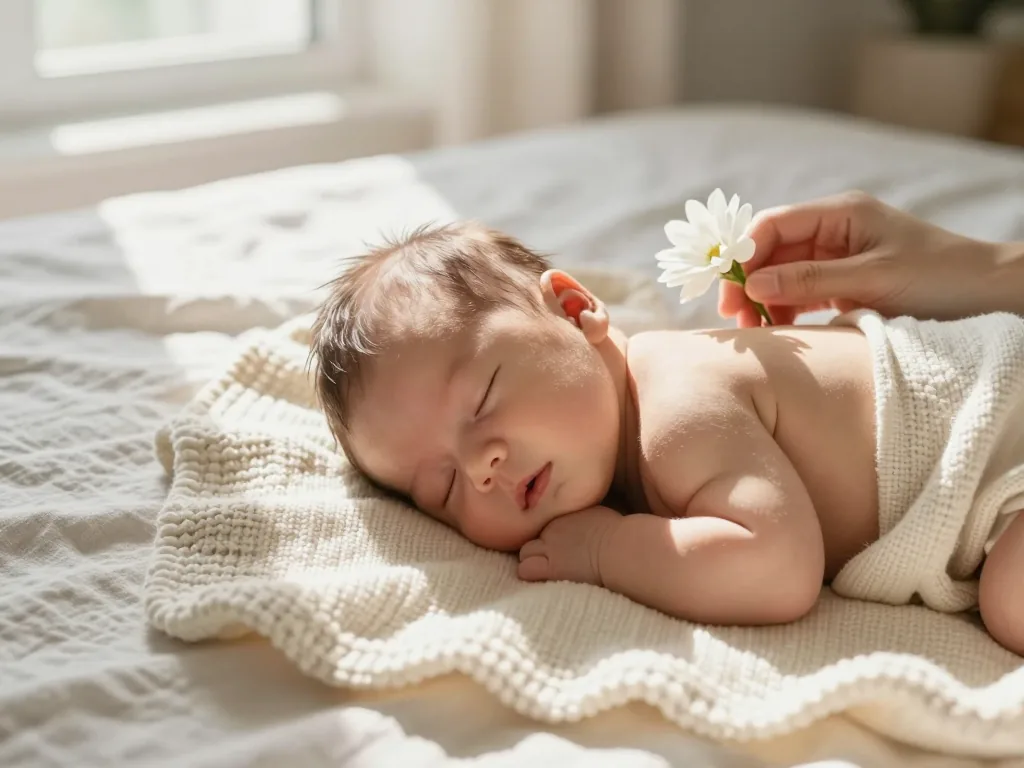
A lifestyle session flips the script. It happens in your home, relying on the natural window light already filling your living room, nursery, or bedroom. The photographer brings no props or backdrops. Instead, they work with what’s there: the crib you carefully selected, the rocking chair where you spend your nights, the rumpled sheets on your bed. Forget posed portraits—this is documentary-style. You nursing on the sofa. Your partner cradling the baby against their chest. An older sibling gently touching the newborn’s hand.
The images feel inherently personal and authentic because they mirror your real life. Ten years from now, you’ll see not just your baby, but the exact nursery wall color, the throw blanket’s pattern, the way afternoon light spilled across your kitchen table. The trade-off? Less uniformity. Results hinge on the quality and direction of available light, and a cluttered countertop or dark hallway can limit where the photographer shoots. You might end up with fewer set-ups overall, but each frame carries a weight that staged portraits sometimes miss.
Timing and the Newborn Window
The Ideal Booking Window
Timing is everything in newborn photography, whether you go the studio route or prefer a lifestyle approach. The sweet spot? Between day 5 and day 14 after birth. In those early days, babies are at their sleepiest and most pliable. Their immature nervous systems let them drift into deep, dreamlike slumber, making it easy to curl them into those classic froggy poses. Limbs stay naturally flexed, skin is smooth with minimal peeling, and they handle being moved far better than they will just a week later.
Once that two-week mark passes, things change. Babies grow more alert, their startle reflex kicks in, and staying asleep through a session becomes a challenge. Posed studio work gets tougher—the baby might squirm against swaddling, wake mid-transition, or refuse to settle into those tight, curled positions that define traditional newborn portraits. If you’re after those serene, deeply asleep images with tiny hands tucked under the chin, booking within the first 14 days is non-negotiable.
Flexibility for Lifestyle Sessions
Lifestyle newborn photography, however, gives you more breathing room. Since the focus isn’t on intricate posing but on capturing real moments—nursing, cuddling, sleeping in a parent’s arms, or resting naturally in a crib—there’s far less physical demand on the baby. You can often pull off a successful lifestyle session up to three weeks after birth, sometimes even later. But there’s a trade-off. By week three, your baby is awake more, more alert, and more reactive to their surroundings. Instead of a sleepy, perfectly arranged portrait, you’ll capture candid, interactive images: wide eyes, tiny yawns, and the genuine chaos of early parenthood. That’s not a flaw—it’s a different aesthetic altogether.
Missed the early window? Lifestyle is almost always the smarter choice. It works with the baby’s growing alertness rather than against it. You’ll still walk away with beautiful, authentic images, but adjust your expectations: these photos will read as a documentary of your first weeks together, not a sculpted, studio-perfect portrait. For many families, that realness is exactly what they’re after. For others, the classic posed look justifies the strict scheduling. Know your priority, and book accordingly.
Safety and Handling of Your Newborn
Safety looks different depending on whether you choose a studio or lifestyle session—and knowing those differences helps you decide what’s right for your family.
Studio Safety Protocols
In a studio, the photographer carries the primary responsibility for your baby’s safety. Professionals rely on specialized props, beanbags, and supportive wraps to keep your little one secure. The beanbag is essential because it can be molded around your baby’s body, creating a snug, womb-like cradle. But no reputable photographer will ever force a pose. If your baby fusses, cries, or stiffens, they’ll simply switch positions. That’s non-negotiable.
Before you book, ask about training. Many photographers complete newborn-specific safety courses covering airway management, temperature control, and safe posing. Also ask whether an assistant or spotter will be present. That extra pair of hands matters when the photographer needs to adjust a prop or reposition a wrap without letting go of your baby. And your baby should never be left alone on an elevated surface—not even for a second. A reputable studio will have clear protocols, and you should always feel comfortable speaking up if you see something concerning.
Lifestyle Safety in the Home
Lifestyle sessions make safety a shared responsibility. The photographer works with what’s already in your home—natural window light, the nursery, your bed, or a favorite chair. There’s no elaborate posing on elevated surfaces. Instead, the images are simple and organic: your baby in a crib, cradled in your arms, or resting on a bed with you close by. That simplicity lowers risk, since your baby is always supported by a parent or spotter during any repositioning.
Still, verify the photographer’s experience, even if the style feels more relaxed. Ask to see their lifestyle newborn galleries and how they handle safety in an unposed environment. A skilled lifestyle photographer knows how to position your baby safely without fancy equipment and will always prioritize comfort over the perfect shot. Trust your instincts—if something feels wrong mid-session, you can pause and ask questions at any time.
Cost, Packages, and What to Expect to Pay
Session Fees and Image Packages
Newborn photography pricing varies widely by photographer, location, and experience. Session fees generally run from $150 to $500, covering the photographer’s time and skill—but not the images. Final packages, whether digital files, prints, or albums, typically add $200 to $1,000 or more, depending on image count and product quality. Always request a full price list before booking to avoid surprises. Some photographers bundle the session with a set number of edited images into one flat fee; others use a two-tier structure: pay to shoot, then pay to choose. On a tight budget? Look for mini-sessions, often 20–30 minutes, ranging from $100 to $300 total, including a few digital files. For a full gallery of 20–40 high-resolution images, expect the combined investment to land between $500 and $1,500. Don’t assume higher price means better quality. Review portfolios, compare inclusions, and ask about print rights, retouching limits, and delivery timelines before signing.
Hidden Costs and Value Differences
Studio sessions often include props, backdrops, and styling—a real value if you want variety without buying anything. Lifestyle sessions, by contrast, may require you to prep your home: cleaning, decluttering, and possibly purchasing a simple outfit for the baby. That’s an indirect cost. Travel fees can apply if the photographer comes to you, and some studios charge extra for weekends or rush bookings. Compare the total cost, not just the session fee. A studio charging $350 for a session but including all props and a $600 digital package might outvalue a $200 lifestyle session where you spend $150 on decor and $100 on a new wrap. Time matters too. Studio sessions typically last 1–2 hours in a controlled environment; lifestyle sessions run 1.5–3 hours at your home, with more downtime for feeding and soothing. Ask about additional charges for extra edited images, online galleries, or physical products like framed prints. Some photographers offer payment plans, easing the upfront burden. Ultimately, the right choice hinges on your aesthetic preference and budget beyond the session fee. Get itemized quotes from at least three photographers in your area and weigh the full package value—not just the sticker price.
Choosing the Right Style for Your Family
What to Consider About Your Home and Lifestyle
Before booking anything, take a hard look at your living space. Lifestyle newborn photography unfolds entirely in your home, so your environment becomes the backdrop. Large windows with soft, diffused natural light, plus a bedroom or living room in neutral tones, set you up for stunning, documentary-style images. This approach shines if you’re comfortable with a slightly messier, more candid aesthetic—think wrinkled linen, half-drunk coffee cups, and the dog wandering into the frame. You also skip the monumental chore of packing up a newborn, hauling diaper bags, and commuting to a studio. Instead, your baby stays in their own environment, and the images capture siblings, grandparents, even the family pet, in a way that feels genuinely like your life.
But if your home is dark or cluttered, or you simply prefer a clean, polished, magazine-style look, a studio session may fit better. Studios control every variable: lighting, temperature, backdrop. No need to tidy the nursery or fret over a cloudy afternoon ruining your light. You trade the comfort of home for the predictability of a professional space.
Questions to Ask Before Booking
Whichever direction you lean, ask these questions before handing over a deposit:
- How many years of experience do you have specifically with newborns?
- Can you share full galleries from recent sessions, not just highlights?
- What is your safety protocol for posing, and do you have a spotter?
- What is the exact cost breakdown for the session fee and image packages? Expect a total investment ranging from €200 to €600 per session for most reputable photographers, with additional print or digital packages on top.
- How long does the session last, and what happens if the baby is fussy?
- For lifestyle sessions: how do you handle low light or small spaces?
- For studio sessions: how many different set-ups or prop changes are included?
Making the Final Decision
There is no universally “right” choice—only what fits your priorities. If you value a consistent, controlled, magazine-style look and are happy to travel, a studio is a strong choice. If you value authenticity, comfort, and family inclusion, a lifestyle session will likely resonate more deeply. Many families also choose to do both: a studio session for the classic posed portraits and a quick lifestyle session at home for the candid, messy, beautiful reality of life with a newborn.
Ultimately, it comes down to what feels right for you—your comfort, your home, and the kind of images you’ll cherish. Studio photography delivers controlled, timeless portraits with flawless lighting. Lifestyle sessions, on the other hand, capture the raw, candid chaos of those first days at home, in a way that feels deeply personal. There’s no right or wrong choice—only what resonates with your family’s story and how you want to remember this fleeting, tender time. Start by reviewing both portfolios, comparing the mood and setting of each, then book the session that puts you most at ease. Whichever you pick, the real treasure lies in the emotional connection frozen in those frames, not the backdrop behind it.