Your First Newborn Photography Session in 2026: A Step-by-Step Guide to What Really Happens
On this page
You’ve seen the dreamy images—tiny fingers curled around a parent’s thumb, a peaceful baby swaddled in soft linen. But what actually happens behind the camera? In 2026, newborn sessions have evolved into a carefully choreographed, safety-first experience. It’s far more relaxed and interactive than the old “posed and frozen” stereotype. This guide walks you through the real timeline, from pre-session prep in your own home to the final gallery reveal. You’ll know exactly when to feed, what to bring, and how to handle the unpredictable moments. By the end, you’ll feel confident walking into that studio—or welcoming a photographer into your living room—without a single surprise.
Booking a newborn session isn’t like booking a haircut. You’re not picking a date; you’re picking a window. Most professional studios in 2026 operate on a tentative-booking system: they pencil you in near your due date, then wait for the real event. This logistical dance starts months before you hold the baby, and it’s the most important one you’ll do.
The 5 to 14 Day Window and Why It Matters
In 2026, the industry standard for posed newborn photography still sits firmly between day 5 and day 14 after birth—and that’s not arbitrary. During this stretch, your baby remains in that deep, glorious sleep photographers call “the sleepy zone.” Their nervous system hasn’t fully registered the outside world, so they can be curled into classic froggy poses, swaddled tightly, and moved without startling. Their joints are remarkably flexible, still mimicking the womb’s cramped curl, which makes chin-on-hands and tush-up shots achievable without force. After day 14, babies grow more alert, fight sleep, and often develop baby acne or flaky skin. All of that is manageable, but those dreamy, sculptural poses get significantly harder. So when you call a studio, they’ll ask for your due date and offer a tentative slot inside that 5-to-14-day bubble. The moment your baby arrives, you send a quick text, and the studio adjusts your session to land on the exact right day.
Deposits, Contracts, and Rescheduling Policies
Expect to put money down at booking—typically a non-refundable deposit that secures your spot and the photographer’s time. You’ll also sign a contract. In 2026, these documents are far more flexible than a decade ago, precisely because birth dates are gloriously unpredictable. The contract spells out what happens if your baby arrives early, late, or if you need a medical delay. Read the rescheduling policy carefully. Most studios allow one or two reschedules within the 5-to-14-day window at no extra charge; beyond that, you may forfeit your deposit or pay a rebooking fee. Some high-end studios include a “safety buffer” clause, guaranteeing a spot up to 21 days postpartum if complications arise. Ask about NICU policies too—most reputable photographers hold your deposit for up to six weeks. Before signing, ask yourself: What happens if my baby comes at 36 weeks or 42 weeks? A good contract answers that clearly, protecting both you and the photographer’s business. You’re not just paying for a photo shoot; you’re paying for a guaranteed slot in a highly perishable time frame. Standard session fees for a full posed newborn session in 2026 range from €250 to €450, with the deposit typically one-third of that.
What Actually Happens During the 2 to 4 Hour Session
The Session Is Baby-Led, Not Clock-Led
Let’s clear up the biggest myth right now: a newborn session is not two hours of nonstop photography. It’s a two-to-four-hour window where your photographer works around your baby’s rhythms, not against them. That block of time includes feeding, burping, soothing, diaper changes, and those long, quiet pauses where everyone waits for a tiny human to settle back into a milk-drunk sleep. You won’t be watching a photographer “shoot” for four straight hours. Instead, you’ll be part of a slow, patient dance. Most of the session, you’ll sit on a comfortable couch, nursing or bottle-feeding, or gently shushing while the photographer steps back. The camera clicks happen in short bursts—often just a few minutes of actual shooting between each soothing cycle. If your baby needs a 20-minute cuddle to reach deep sleep, that’s exactly what happens. The session ends when your baby is done, not when a timer goes off.
The Order of Operations in the Studio
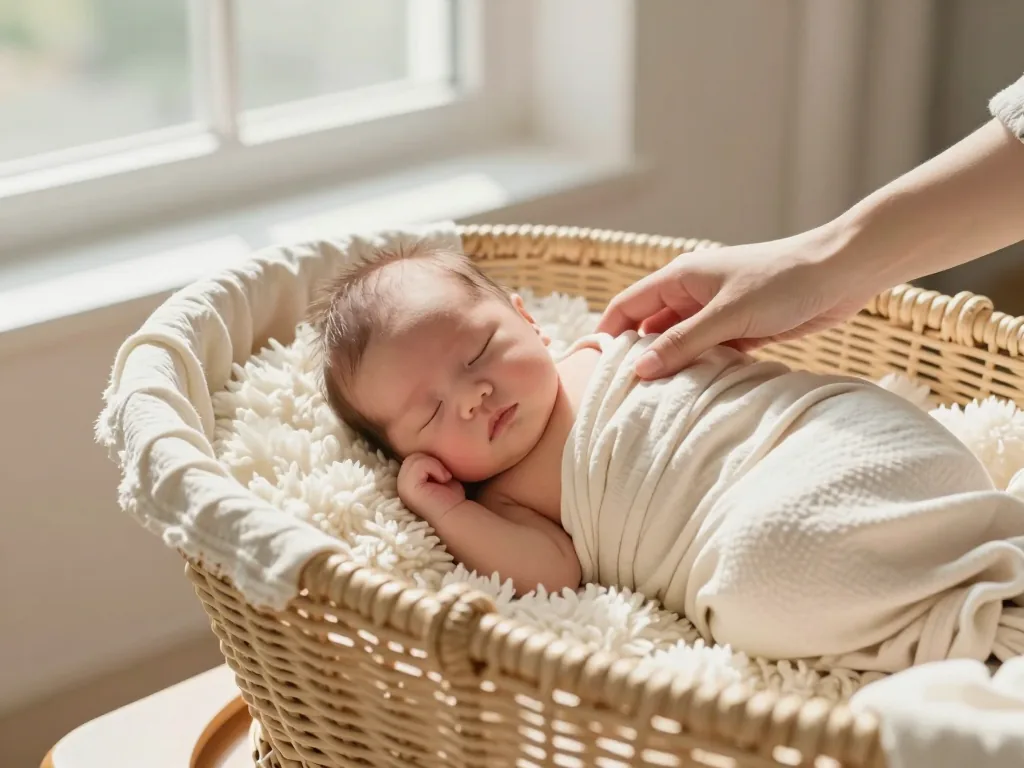
Most 2026 studios follow a predictable flow, though every photographer has their own twist. You’ll arrive to a warm, dimly lit room, usually around 26–28°C to keep your baby cozy. After a quick temperature check and a full feeding, the photographer begins with the sleepiest poses—typically wrapped setups where your baby is snugly swaddled into a curly, womb-like position. These are easiest to achieve in deep sleep, so they come first. From there, the photographer moves to prop-based setups: a woven basket, a soft crescent moon, a linen backdrop with a tiny hat. Each transition involves careful handling—lifting, repositioning, re-swaddling—which often wakes your baby slightly, triggering another round of feeding and settling. The final segment, if you’ve booked family or parent shots, happens last, because by then your baby is usually more alert and content to be held against a warm chest. You’ll be coached on exactly where to place your hands, how to angle your face, and what to wear—neutral creams and soft textures work best. Throughout, the photographer pauses for breaks without asking, because they already know your baby’s cues better than you do by minute 90. Your only job is to stay relaxed, follow instructions, and trust that the quiet stretches are where the magic is actually building.
The Studio Environment in 2026
Step through the door of a professional newborn studio in 2026, and you’ll immediately understand why nearly every posed session happens here rather than in a living room. The air hits you like a warm, gentle wave—deliberately so. Studios are kept at a constant 80–85°F (27–29°C), a temperature that mimics the womb and keeps your baby in that deep, drowsy state photographers rely on for those curled, peaceful poses. You’ll see specialized props that have evolved significantly in recent years: ergonomic posing pods with breathable mesh, seamless fabric wraps in muted earth tones, and adjustable faux-fur mats that are sanitized between every single client. What you won’t see are bare surfaces—every beanbag, cushion, and backdrop is covered with a fresh, washable layer, and most studios now use hospital-grade disinfectants as standard protocol. Heating pads are tucked under every prop, pre-warmed to a safe, low setting, so your baby never experiences a sudden temperature drop when they’re placed down. You’ll also notice a separate, quieter corner with a feeding chair and a dimmer switch—this is where you’ll nurse, soothe, or simply watch.
Controlled Temperature and Specialized Props
The warmth isn’t just for comfort; it’s a safety and workflow tool. A cold baby is a fussy, alert baby, and a fussy baby won’t tolerate being posed. The 80–85°F range keeps their little muscles loose and their sleep cycles deep, which allows the photographer to work efficiently—usually finishing a full session in two to three hours, not six. The props themselves have become more sophisticated, too. In 2026, you’ll find weighted silk pods that gently cradle a baby’s head, and adjustable incline wedges that support the spine without any unnatural pressure. Every prop is chosen for breathability and washability, not just aesthetics.
Why Home Sessions Are Rare for Posed Newborns
You might wonder why your photographer gently steered you toward the studio. It’s simple: control. At home, you can’t guarantee the ambient temperature, the quality of window light, or even the floor space for a large posing beanbag. A studio offers consistent climate, professional lighting setups, and a dedicated, clutter-free zone—all of which reduce risk and increase creative flexibility. Home sessions still exist, but they’ve shifted almost entirely to lifestyle photography: documentary-style shots of you holding your baby in your own bed or on the sofa. If you insist on posed newborn photos at home, expect to pay a significant premium—typically from €150 to €300 extra per session—because the photographer must transport equipment, adapt to your lighting, and spend longer on setup and cleanup. For the vast majority of families in 2026, the studio is the safer, smoother, and more predictable choice.
Pre-Session Instructions for Parents
The 1 to 2 Hour Wake-and-Feed Rule
About a week before your session, your photographer will send a detailed prep guide. The single most important instruction? The wake-and-feed window. You’ll be asked to keep your baby awake—really awake, with gentle stimulation, not just a quick nappy change—for one to two hours before your start time. Then, feed them fully right before you leave, or better yet, in the car park just before you walk in. It sounds counterintuitive when you’re dreading a screaming newborn, but the logic holds: a baby kept gently awake for that window arrives deeply milk-drunk and utterly drowsy. That post-feed sleep state is the golden ticket for the curled, froggy poses that look so effortless in gallery images. Arrive with a wide-awake baby, and the photographer will spend the first 45 minutes just coaxing them down—time that eats into your session and your baby’s patience. A full tummy and a tired brain make everything else possible.
What to Bring and What to Wear
Packing for a newborn session is less about aesthetics, more about damage control. Bring a bottle of expressed milk or a ready-to-feed formula sachet, even if you breastfeed—your baby may cluster-feed mid-shoot, and you won’t want to fumble with a pump. A pacifier is non-negotiable, even if you usually avoid it; it’s the fastest way to settle a baby during pose transitions. And pack a full change of clothes for yourself—trousers and underwear, not just a top. Newborns are leaky. They will pee, poop, or spit up on you, the photographer, and every prop in the room. That’s normal, expected, and frankly a good sign your baby is relaxed. For your own outfit in family shots, think neutral and solid. Cream, soft grey, sage, or muted navy all work beautifully. Avoid bold patterns, stripes, and anything with a large logo or character print—it pulls the eye from your baby’s face in the final gallery. You’re not dressing for fashion; you’re dressing to be a calm, warm backdrop.
Safety Standards and Composite Posing in 2026
Never Unattended on a Prop
Here’s what you can absolutely count on in a 2026 newborn session: your baby will never be left alone on a posing prop—not even for a second. The “set it and snap it” era is over. Any photographer suggesting otherwise is operating outside current safety norms. Every pose you see in a portfolio, from the froggy tuck to the chin-on-hands classic, is either fully supported by a spotter’s hand or built through composite posing. In a composite, the photographer captures the final image in two or more frames. First, your baby is positioned safely—a parent’s hand under their head, or a spotter’s fingers bracing their torso. The second frame is taken without the baby, or with the hand moved slightly, and the two are merged in post-production to erase the support. Those adorable “floating” or “suspended” shots? They’re cleverly stitched together. Your baby never actually hung in mid-air. During your session, you’ll see the photographer touch your baby constantly—adjusting limbs, cradling the neck, re-positioning every few seconds. That’s not hesitation. That’s the standard.
How to Spot a Safe Photographer
So how do you know if your photographer is truly safe? Ask direct questions before you book. Inquire about their safety training—many now hold certifications in newborn posing and infant CPR. Ask if they use a dedicated spotter for every composite pose. The answer should be an immediate yes. Request before-and-after edits of a composite image. A professional will proudly show you the raw frame with a parent’s hand in place, followed by the finished, hand-free result. They should also explain why they avoid certain poses—why they never place a baby on a hard surface without a padded cushion, or why they discourage poses that require excessive spinal bending. If a photographer promises a “hands-free” pose without support, or claims they can “just do it in editing” without a safety frame, that’s a bright red flag. Walk away. A safe photographer will happily talk your ear off about their process, because their reputation depends on your baby’s well-being. You should leave your consult feeling reassured, not impressed by risky shortcuts. In 2026, the safest sessions look a little less magical in real time—but the final images still take your breath away, and your baby is never at risk for the sake of a perfect shot.
Feeding, Soothing, and Mess Management During the Shoot
The Feeding and Pause Rhythm
Before you arrive, know this: your photographer isn’t racing a clock—they’re following your baby’s lead. Expect to feed far more often than you would at home in the same stretch. That’s normal, and it’s built into the session’s flow. The photographer will pause for feeding, burping, and soothing as needed—sometimes every twenty minutes, sometimes after just a couple of poses. Some babies cluster-feed or need a long settle after a diaper change; others drift off easily and stay asleep for long stretches. Because of that variability, the session length can shift, even within the 2 to 4 hour window you booked. So don’t watch the clock. Watch your baby. If they stir, root, or fuss, that’s your cue. Your photographer will likely guide you on positioning for a quick latch or bottle feed without fully waking them, and they’ll also know when to step back and let you take a longer break in a quiet corner. Trust this pause-and-go rhythm—it’s what creates those dreamy, curled-up images. A fully milk-drunk baby is a pliable one.
Handling Unexpected Messes
Newborns are unpredictable, and no amount of planning changes that. You can almost guarantee a pee fountain during a diaper-free prop change, a spit-up cascade right after a perfect pose, or a blowout that requires a full outfit change—for you, not just the baby. So bring extra wipes, a burp cloth, and a spare top for yourself. A dark, forgiving one is wise. The photographer will have plenty of cleaning supplies, backup wraps, and duplicate props, so don’t worry about ruining their gear. What matters more is your reaction. When a mess happens mid-pose—and it will—your calm voice and relaxed shoulders tell your newborn everything is fine. If you gasp, apologize, or rush to wipe, the baby senses that tension and may fuss, which only extends the session. Instead, say “no big deal,” let the photographer handle cleanup, and keep a hand on your baby’s chest. Messes are normal, brief, and often the moment when a real, unscripted expression gets captured. Roll with it. The only true disaster is letting a little spit-up ruin your mood—because the session will continue, the baby will resettle, and you’ll forget the mess the moment you see the final gallery.
What Parents Should Expect to Do During the Session
Most parents arrive with one of two assumptions: they’ll be completely hands-off while the photographer performs magic, or they’ll be doing all the heavy lifting. The reality in 2026 sits beautifully in between. You are not a spectator, but you are also not the crew. You are the support system—and that role is more specific than you might think.
Your Role as Assistant and Spotter
In the first twenty to thirty minutes, the photographer will likely ask you to help with the basics: soothing a fussy baby, offering a pacifier, or stepping in for a feeding break. But the less obvious task is spotting. For certain poses—especially the classic “froggy” or chin-on-hands look—your baby’s safety depends on a second set of hands. You may be asked to place a single finger under your baby’s head or gently support a tiny foot just out of frame. The photographer will guide you step by step, telling you exactly where to put your hand and when to remove it. You are not expected to know anything. In fact, the best thing you can do is resist the urge to “help” by adjusting the baby yourself. Follow instructions precisely, and keep your movements slow and low. If your baby starts to stir, your job is to be the calm presence—not the one who panics. A quiet “shhh” and a steady hand are worth more than any technical skill.
When to Step Back and Let the Photographer Work
Here’s the counterintuitive truth: the more you hover, the harder the photographer’s job becomes. Babies are hypersensitive to sound, movement, and even the energy in the room. Constant talking, leaning in, or offering unsolicited suggestions stimulates your newborn and can break a deeply settled sleep cycle. When the photographer says, “Okay, I’ve got them,” that is your cue to physically step back—ideally to a chair at least six feet away. Use that time to drink water, check your phone, or simply watch. The photographer often works in bursts: two minutes of intense posing, then a pause to resettle the baby. During those pauses, they may invite you back in. But during active shooting, your stillness is a gift. Trust the process. If you feel anxious, remind yourself that your baby can sense your heartbeat and your breath. The more relaxed you are, the more relaxed they are. And if you need a moment, step out of the room entirely—most studios are happy to accommodate a quick break. The session is not a test of your endurance; it’s a collaboration. Your best contribution is often your calm, quiet presence in the background, ready to step in when asked, and equally ready to disappear when the moment calls for it.
After the Session: Previews, Galleries, and Delivery Timelines
The 48 to 72 Hour Preview
The hardest part of a newborn session isn’t the posing—it’s the waiting. By 2026, most professional studios have streamlined this with a sneak peek arriving within 48 to 72 hours after your session. Expect one to three fully edited images, typically the strongest portraits from the day. This isn’t just a courtesy; it’s your first look at the final color grading, skin-toning, and retouching style. You’ll likely receive these via a private app link or direct email, complete with a low-resolution watermark. Many studios will gently ask if you’d like to share the preview on social media—tagging them helps their reach—but this is entirely optional and never a condition of service. Use this window to check the overall mood. Does the lighting feel soft and timeless? Are the neutral wraps flattering? If something feels off—say, a too-orange skin tone—flag it now, not after the full gallery arrives. Most artists appreciate early feedback, since adjusting a single edit style is far easier before batch-processing 40 more frames.
Full Gallery Delivery and What to Do Next
Your complete gallery typically arrives within two to three weeks, though some boutique studios with heavy seasonal demand may stretch to four. You’ll receive a private, password-protected online gallery, often with a download option for high-resolution JPEGs and, in many cases, a print release that lets you order from any lab. Some premium packages include a limited set of retouched files; others offer the full session with every usable frame. Once the link lands, resist the urge to scroll mindlessly. Instead, set aside 30 quiet minutes, open the gallery on a large screen, and shortlist your absolute favorites. Then consider ordering prints or a heirloom album while the emotional connection is still fresh—procrastination often leaves digital files untouched on a hard drive. If your studio offers a print credit, ask for a price list; typical 2026 album packages range from €150 to €450 per album, and individual fine-art prints run €25 to €90 each, depending on size and finish. Most importantly, back up your downloaded files immediately—cloud storage plus an external drive is the standard safety net.
Conclusion
Your first newborn photography session in 2026 is less about perfect poses and more about trusting the process. Your baby sets the pace, and the photographer adapts with safety-first techniques and modern, breathable props. The real takeaway? You don’t need to prepare for a “performance.” Just show up rested, feed on demand, and let the session flow around your newborn’s cues.
After booking, your next step is simple. Confirm your photographer’s pre-session checklist—feeding windows, room temperature, and what to bring—then set aside a quiet, unhurried morning for the shoot. When the day arrives, remember that the most beautiful images come from the genuine moments: a tiny yawn, a curled fist, or a sleepy smile. These are the ones you’ll treasure long after the gallery arrives.
So take a breath. Pack the extra wipes. And get ready to watch your newborn’s first portrait session unfold exactly as it should.